
Joe Mountain Preserve donated to Foothills Conservancy
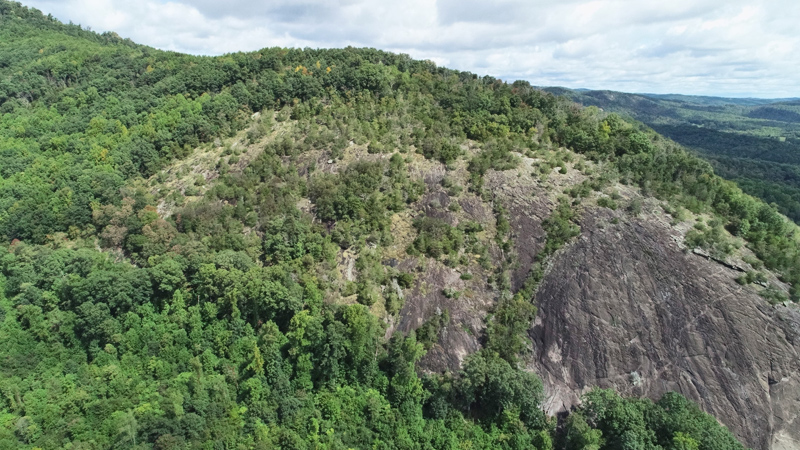
Joe Mountain
Recently, the Foothills Conservancy of North Carolina (FCNC) announced the donation of the 86-acre Joe Mountain Preserve, located in Alexander County, by The Humane Society Wildlife Land Trust. The preserve boasts an array of unique habitats, including rare glade systems, old-growth forests and over a dozen rare plant and animal species that are essential components of the region’s ecological health.
Situated in the Brushy Mountains, an extension of the Blue Ridge Mountains in Caldwell, Wilkes, and Alexander counties, Joe Mountain Preserve encompasses a large granitic rock outcrop that creates unique habitat for a number of different rare species found primarily in the Brushy Mountains. This property has been rated “Exceptional” by the North Carolina Natural Heritage Program, highlighting its significant ecological value.
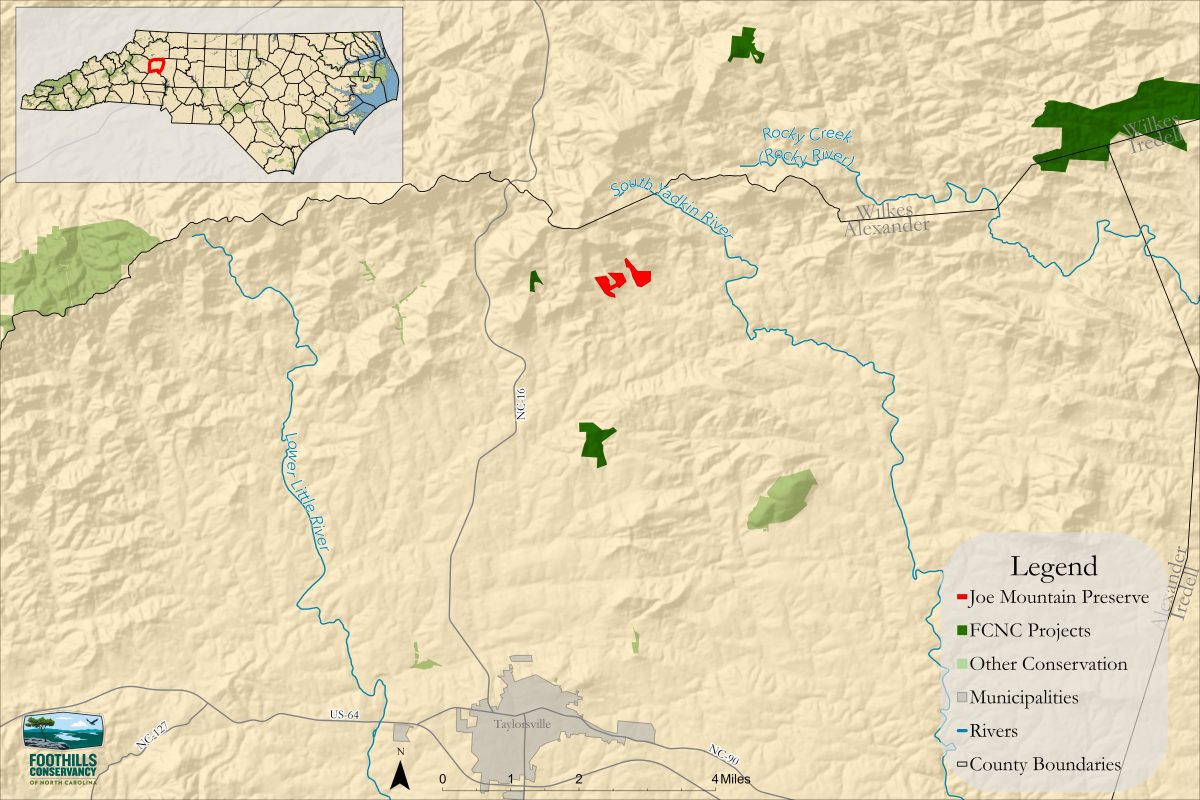
According to the Alexander County GIS map, the land is comprised of three tracts near Ten Acre Rock Court and Hagens Hollow Lane in the Sugarloaf Township.
The preserve contains two important natural communities: Montane Red Cedar-Hardwood Woodlands and Low Elevation Basic Glades. Montane Red Cedar-Hardwood Woodlands are rare, open-canopy woodlands of the mountains and foothills that occur on shallow soils over bedrock and contain plants indicative of high pH, base-rich soil conditions. Low Elevation Basic Glades, according to the Classification of Natural Communities, “are communities of shallow soils, with limited tree cover but with extensive ground cover, occurring on many kinds of rock and containing plants indicative of base-rich conditions. The Brushy Mountains Subtype [of this natural community] covers the floristically distinctive examples currently known only from the Brushy Mountains.” FCNC staff are excited to continue to care for these habitats that support a diverse array of rare species, in perpetuity.
“Rarely does an opportunity arise to steward land with such ecological value,” stated Andrew Kota, executive director of FCNC. “We are thankful for the collaboration with The Humane Society Wildlife Land Trust, and we look forward to continuing to protect Joe Mountain in perpetuity.”
“Joe Mountain is an extraordinary place,” said Michael Gaffney, FCNC’s conservation and GIS specialist. “It has an uncommon floristic assemblage that I had not seen until my first visit. This is one of the reasons so many different organizations have had an interest in protecting this preserve.”
The land was first acquired for conservation in the late 1980s by The Nature Conservancy (TNC), which dedicated the site for preservation purposes in 1995. TNC then transferred ownership of the land to The Humane Society Wildlife Land Trust in 2007, and formally restricted the property at that time with a permanent conservation easement, with terms similar to those of the dedication.
In line with its mission to conserve natural areas in Western North Carolina, FCNC is committed to preserving Joe Mountain’s diverse ecosystem and ensuring its long-term protection for future generations. The land’s proximity to another FCNC preserve, Sugarloaf Mountain, helps to establish a stronger foothold for more conservation opportunities in the Brushy Mountains in the future.
Foothills Conservancy of North Carolina is a nationally accredited regional land trust that inspires conservation in Western North Carolina by permanently protecting land and water for the benefit of people and all living things. A 501(c)(3) nonprofit, Foothills Conservancy has permanently protected over 70,600 acres across eight counties: Alexander, Burke, Caldwell, Catawba, Cleveland, Lincoln, McDowell, and Rutherford, and in three major river basins: the Broad, Catawba, and Yadkin.
Information about Foothills Conservancy, including ways to support its work, can be found online at www.foothillsconservancy.org or by calling 828-437-9930.
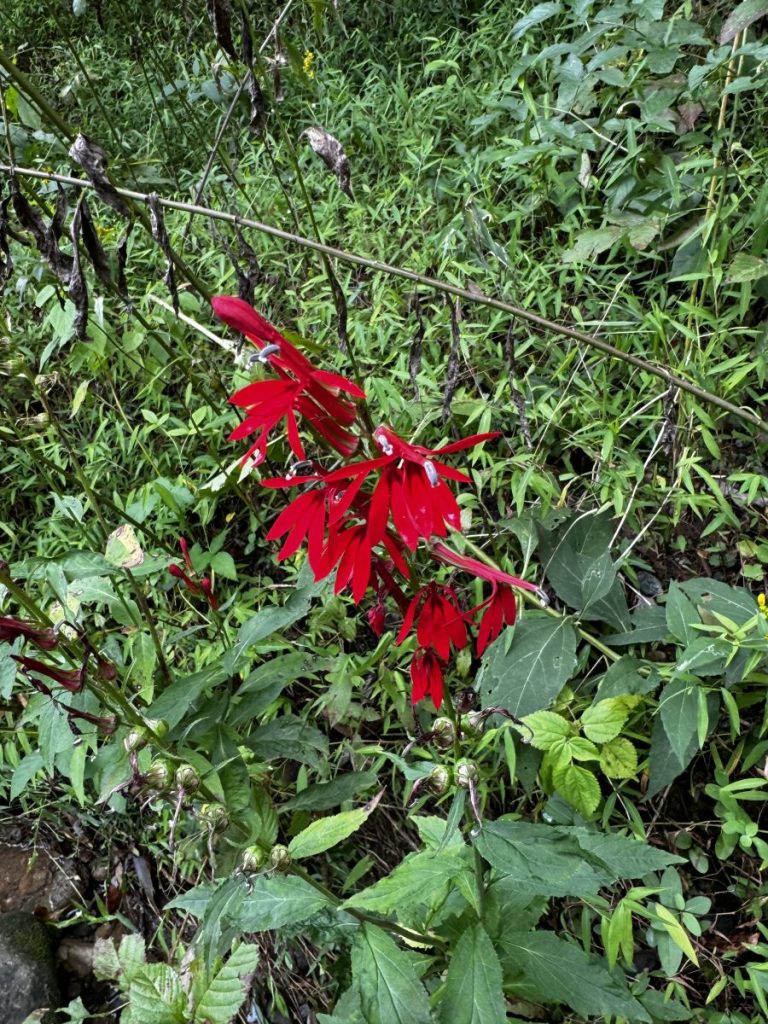
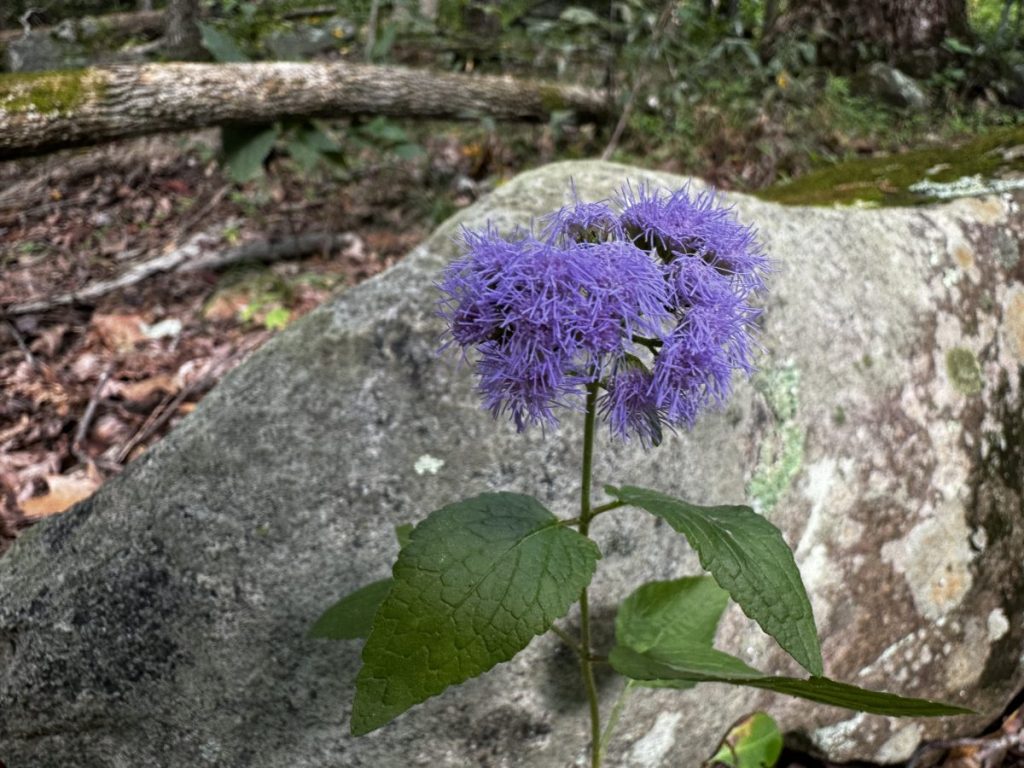
Example of flora found in the Joe Mountain Preserve.





Very good article. I wish somebody could save 200 acres of wildlife habitat on Rink Dam Rd Taylorsville from being wiped out for mass housing. They are going to destroy the animals homes.